Build a product to save food service managers’ jobs endangered by outsourcing
UX Design · UI Design · Prototyping · UX Research · Product Design
- Company
- Intendent Pro — SaaS startup
- Product
- Meal planner webapp for Polish educational institutions
- Role
- Product Designer — single design lead working with developers, stakeholders and clients
- Platform
- Web application
Design a disruptive product that helps food service managers stay competitive on a job market shifting from asset management toward dietetics.
Initially the stakeholder wanted “just a graphic designer” to paint UIs. After going through the full design thinking process, she was terrified how wrong the project would have gone without a user-centric approach.
Empathize phase
- Focus groups
- Internal workshops
- Competitive analysis
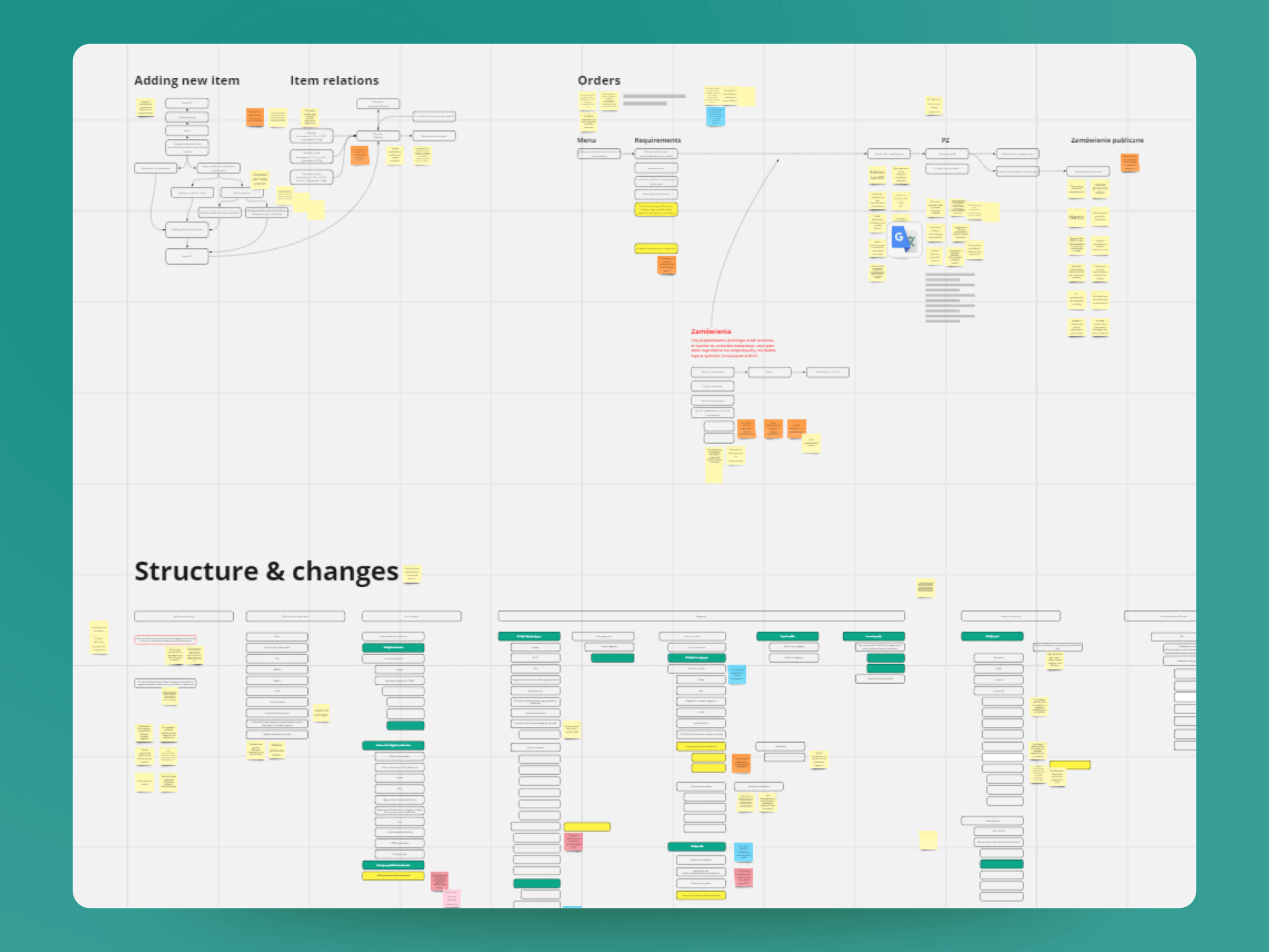
I facilitated workshops with focus groups of food service managers to understand the pain points of future users, and ran market research to map the competition and find the unique market value.
What I’ve found at this stage:
Managers must comply with government dietary laws while parents demand more diverse food planning.
Most managers lack dietary knowledge — historically their job was strict food storage management.
Existing storage products offer meal planning only as a provisional add-on — hard to learn, obsolete interfaces, low UX.
Competitors’ support is slow and often paid; bug reports can take months to fix.
The product needs an accessibility focus (AA readability) — many users are in an age group experiencing eyesight decline.
User persona

Linda Thompson
- Age
- 45
- Occupation
- Food manager in a public school
- Education
- High school graduate
- Tech literacy
- Low
Goals
- Comply with government dietary regulations.
- Plan and provide nutritious meals for students.
- Adapt successfully to the new meal-planning responsibilities.
Challenges
- **Limited dietary knowledge** — struggles to meet the needs of students with allergies and health conditions.
- **Minimal employer support** — few resources, and new tasks must fit her current schedule.
- **Low tech-savvy** — digital tools and patterns overwhelm her.
- **Financial constraints** — a low-paying job limits training options.
Pain points
- **Feeling overwhelmed** by a sudden shift of responsibilities, with her role prone to outsourcing.
- **No time** to learn new duties while doing her current ones.
- **Inadequate resources** — feels isolated facing dietary challenges.
- **Financial stress** hinders investing in education that could streamline her work.
Opportunities
- **Simplified technology** tailored to low tech literacy.
- **Optimized workflow** — features that speed up menu planning.
- **Quick start & support** — a tool she can test and adapt fast, with knowledge built in.
Define phase
At this stage we were ready to frame the main user problems to solve.
Users want to cover the new dietitian role without fearing their work doesn’t comply with national regulations.
Users need an efficient way to cover additional dietary tasks — reducing the risk of overtime or being outsourced.
Users need support in dietary knowledge to cope with new daily challenges.
Solution creation
- Figma
- User interviews
- Workshops
Our team generated ideas to deliver value and optimize user flows, making the tool a true answer to user problems.
I spotted several information architecture & user flow improvements that drastically reduced menu creation time — Intendent Pro users do it 70% faster than on competitor products.
Main solutions delivering value:
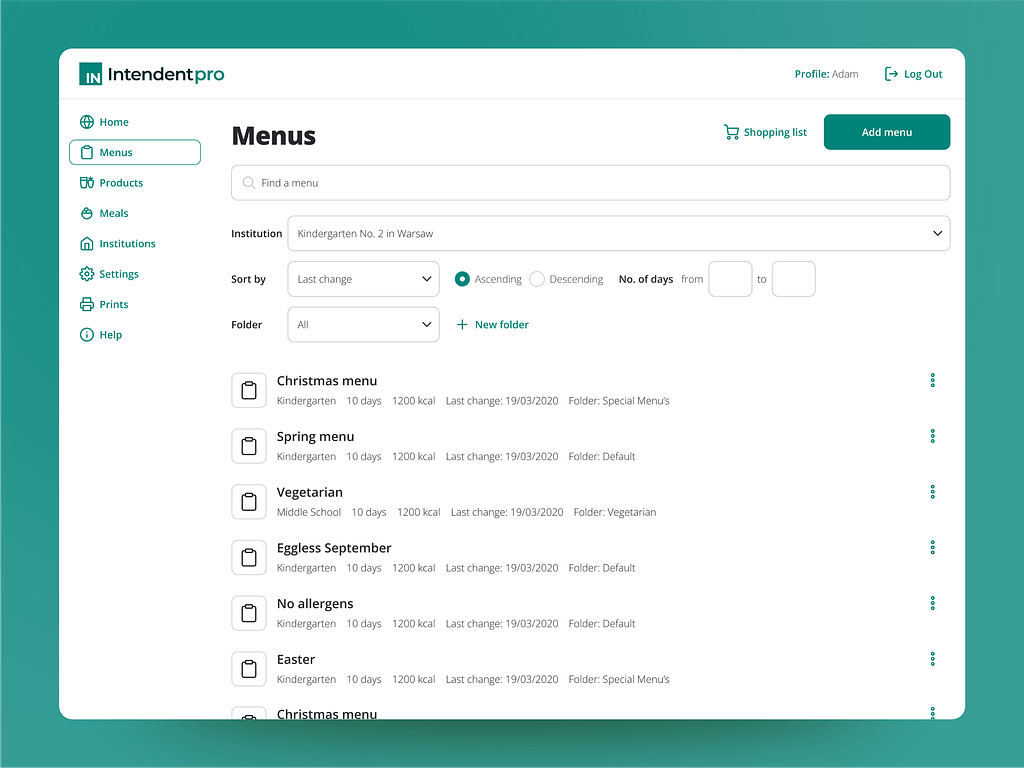
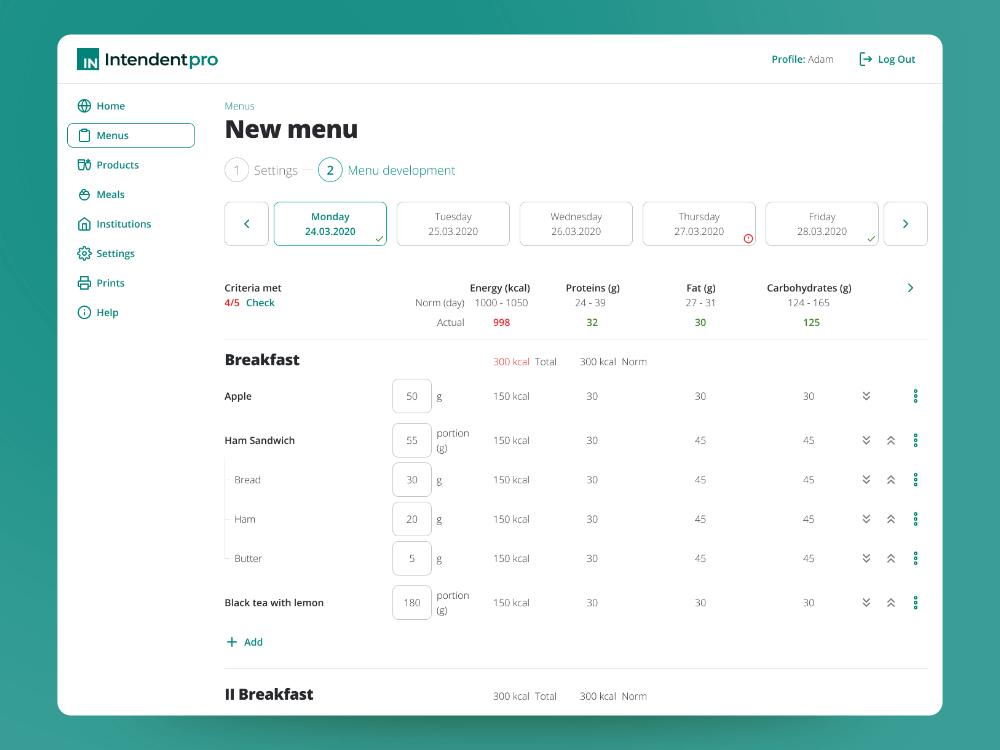
A meal planner that automatically checks menu compliance with government regulations for each institution type (nursery → high school).
User flows and IA built with the future users.
Many options to reduce task completion time — duplication of products, meals and menus; variant editing mid-flow; pre-filled inputs.
Built-in databases of thousands of products and ready meals, plus custom user additions.
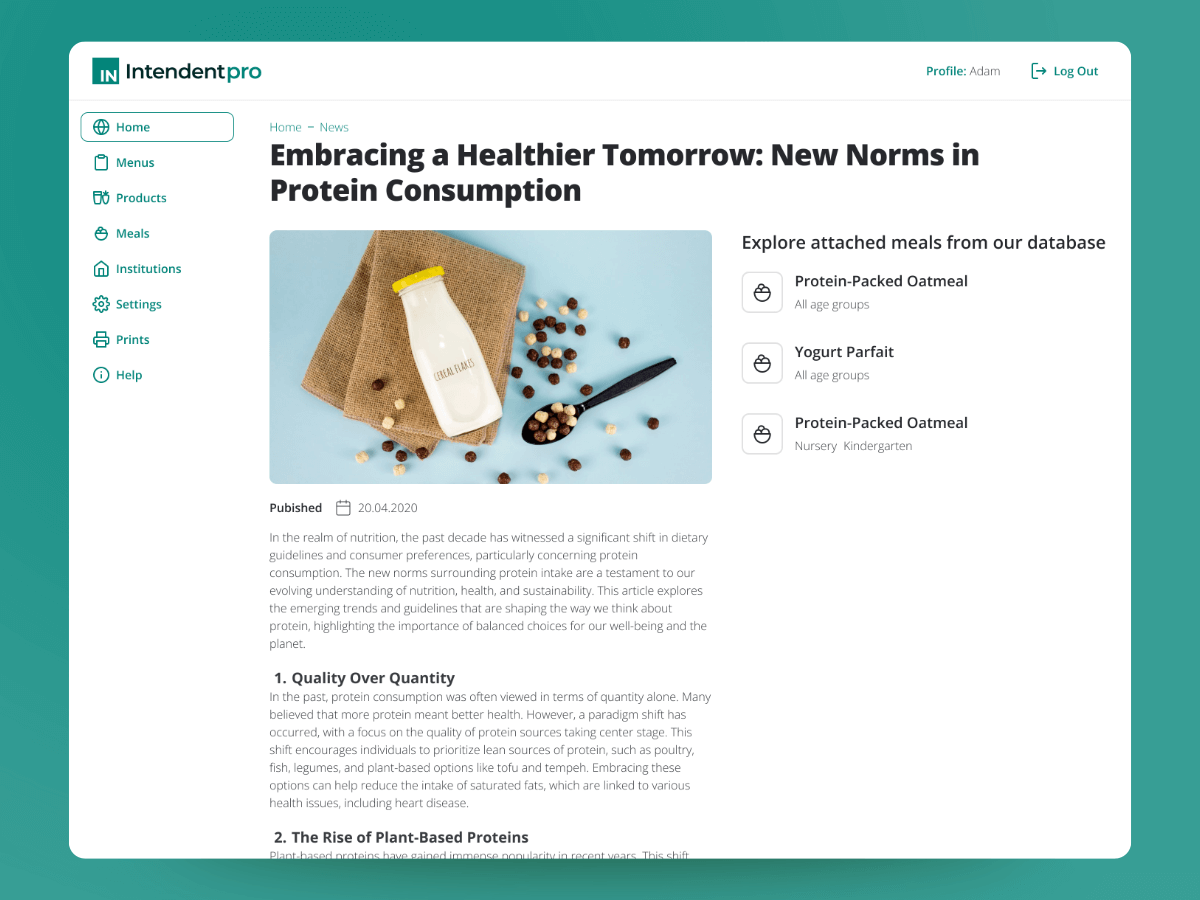
Built-in system guide and dietary knowledge base for extra support.
Refine product
A lot of our work went into refining the product strategy — I used my startup experience to bring valuable do’s and don’ts.
I was an eager advocate of delivering the highest value quickly and starting to learn as fast as possible.
My main advice:
Don’t enforce full commitment on an untested product — the stakeholder initially wanted only a yearly plan; a monthly option let us prove value first and earn trust.
Provide a free test period — win early adopters and avoid dissatisfied early users; at the start we optimize and learn, not chase day-one profits.
Outcomes, not features — with limited resources and an untested product, extra features only delay go-to-market and blur core-value testing.
Delivery
Workshops cut vast amounts of stakeholder-requested features and flows, greatly reducing development and maintenance costs.
A wave of positive social-media reviews — ease of use, functionality scope, clean interface.
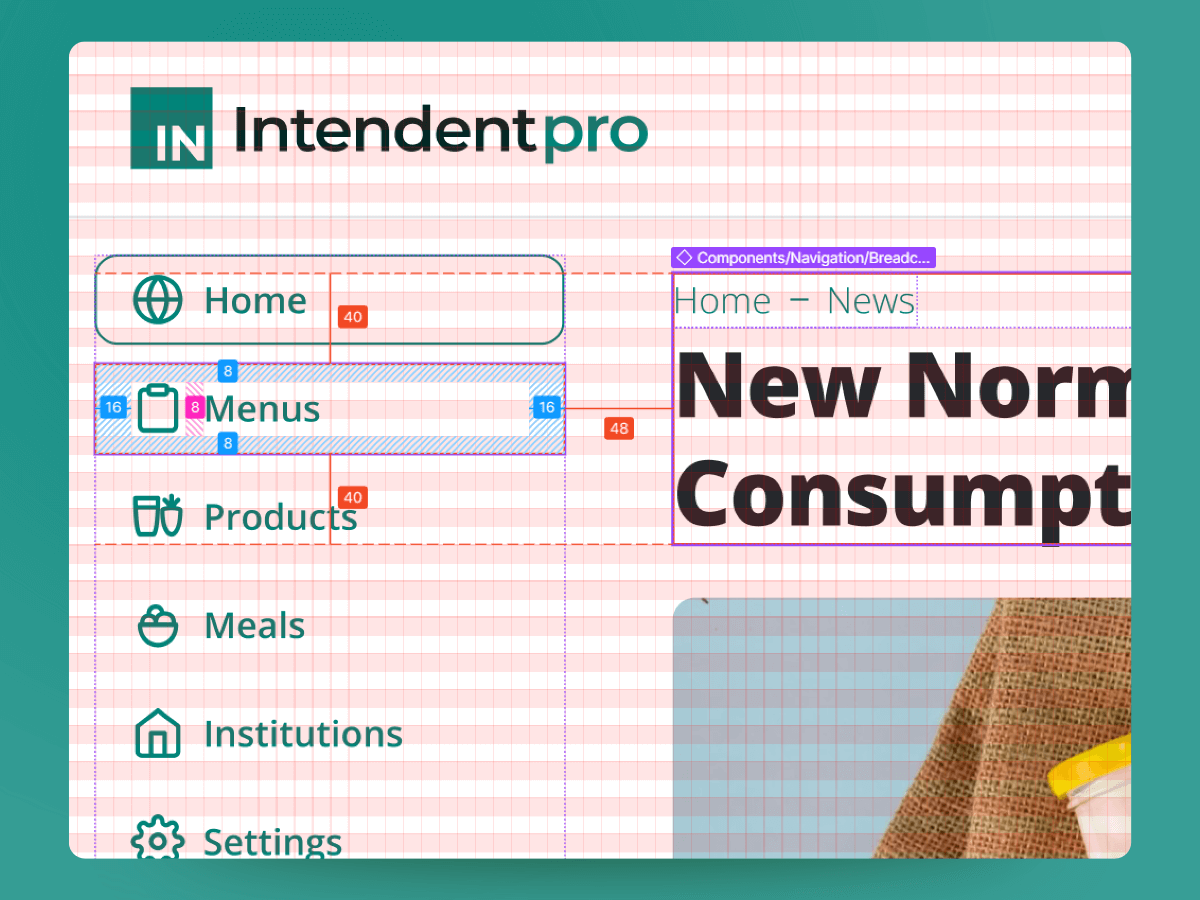
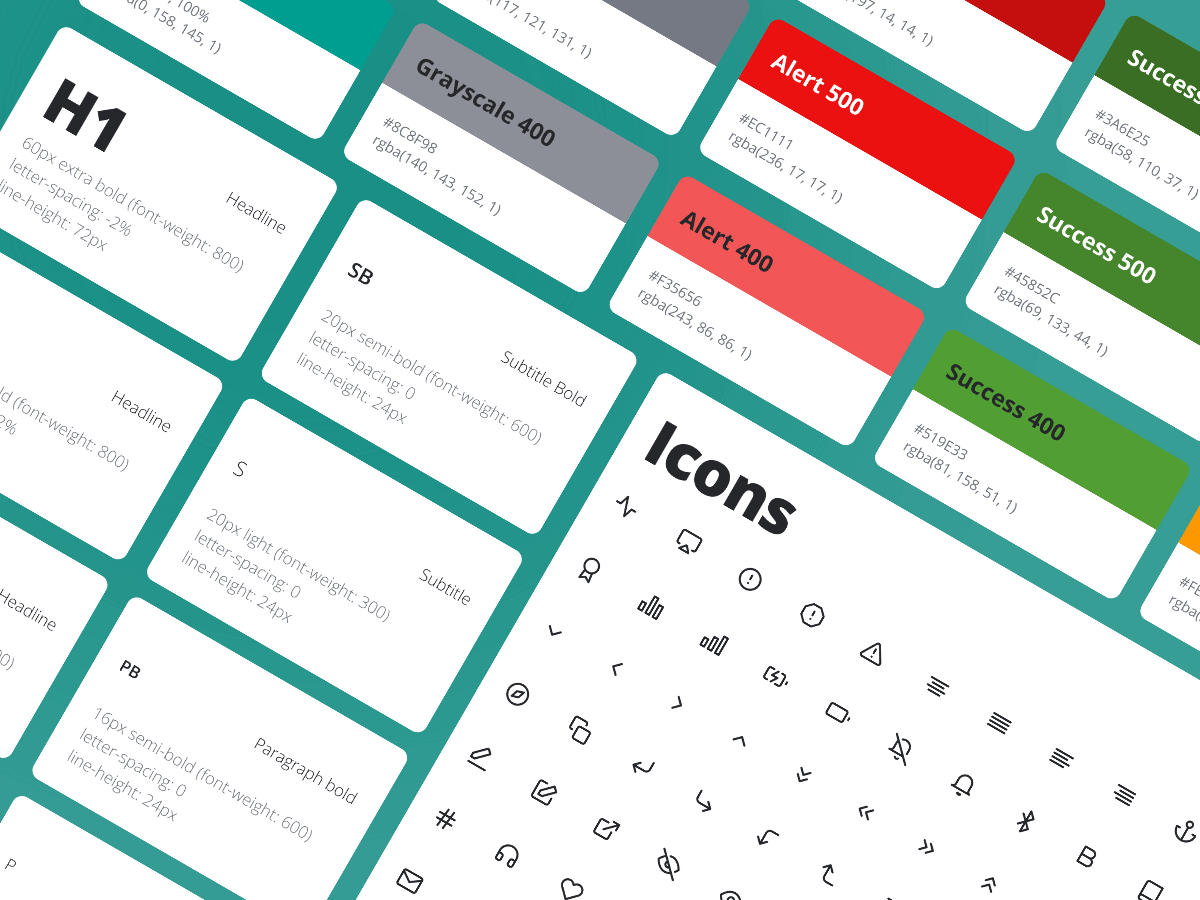
Easy scaling with a proper design system — a simple, efficient component set gives strict control over future development on optimized resources.
- 71NPS after the first quarter, held since the 2022 launch
- 70%Faster menu creation than competitor products
- Top 1Most recommended institutional meal planner in Poland
- 1 yrFrom launch to break-even
There’s more when we meet.Drop me a hint what your needs are.
Tell me about your product, your users and the problem that keeps you up at night. I usually reply within 48 hours.
marek@makeux.pl